
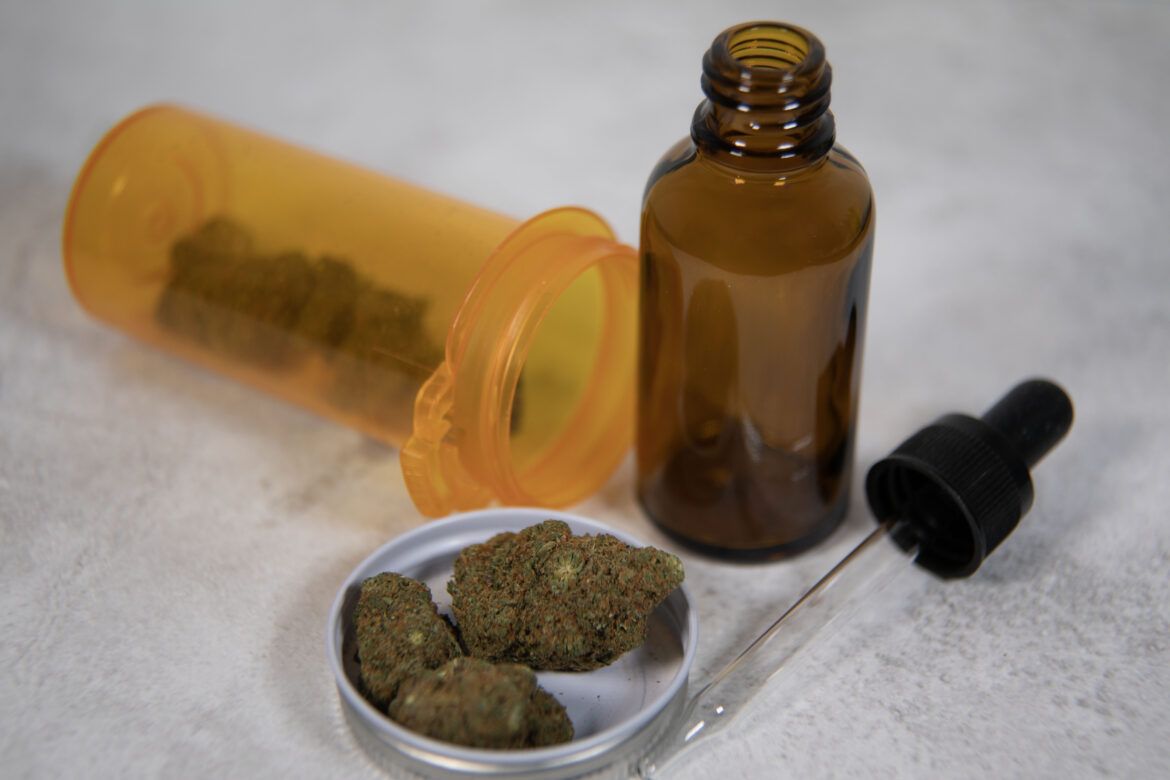
Medical marijuana is not a marquee attraction in Sunny Isles Beach, but its economic footprint is increasingly visible around the edges—especially in how visitors book stays, how owners position properties, and how nearby retail corridors evolve. Florida’s medical program continues to expand: the state’s Office of Medical Marijuana Use reported 923,629 qualified patients with active ID cards as of August 2025, a scale that inevitably influences travel plans and local spending across Miami-Dade.
Sunny Isles Beach itself has taken a conservative zoning stance. City code prohibits Medical Marijuana Treatment Centers and dispensing facilities within city limits, which effectively channels brick-and-mortar MMJ retail to neighboring municipalities such as North Miami Beach and Hallandale Beach. That pushes storefront leasing demand—and the foot traffic that follows—outside Sunny Isles, while patients still visit the city for its beachfront towers and condo rentals.
What does that mean for property values and investor behavior? Nationally, the National Association of REALTORS® (NAR) has tracked rising residential values in markets with legalization and mixed but generally neutral-to-positive effects on commercial assets located near dispensaries. In its 2025 “Marijuana and Real Estate: A Budding Issue” research, NAR reports more members seeing increased demand for industrial/warehouse and selected retail space in legalized states, while roughly half saw no change in commercial values near dispensaries and smaller shares saw increases or decreases. For owners and managers, the practical takeaway has been to update lease language, building rules, and insurance considerations rather than expect dramatic price swings.
For tourism, the backdrop is robust. Greater Miami & Miami Beach recorded a historic 28+ million visitors in 2024, reinforcing the region’s status as a year-round destination. Sunny Isles benefits from that flow: medical cardholders vacationing in Miami-Dade can legally purchase from state-licensed providers elsewhere in the county, then enjoy lodging and dining in Sunny Isles—so long as consumption complies with state law and private-property rules. The draw is less “cannabis tourism” and more wellness-oriented travel where MMJ access is a convenience, not the headline.
Short-term rental and condo markets are adjusting at the margins. Property managers report growing interest in explicit policies (vaping vs. smoking, balcony rules, deposits) to reduce nuisance risks while accommodating legitimate medical use. That mirrors NAR guidance that managers and HOAs must align building policies with state law and federal considerations, a compliance thread that is especially pertinent in luxury, high-density buildings along Collins Avenue.
The retail picture remains nuanced. Because dispensaries are barred in Sunny Isles, any MMJ-related street-level activation—education clinics, doctor offices, or delivery hubs—tends to locate outside the city. Miami-Dade’s broader tourist surge, however, supports F&B and wellness tenants that indirectly benefit from MMJ visitors choosing longer stays and higher-end amenities. In effect, Sunny Isles imports the spending while exporting the dispensary rent roll.
Looking ahead, two variables loom large. First, Florida voters narrowly missed the 60% threshold to legalize adult-use cannabis in 2024—evidence of strong but not yet decisive support. Any future adult-use approval could shift demand patterns for industrial and select retail countywide, even if Sunny Isles maintains its dispensary prohibition. Second, Miami-Dade’s travel momentum suggests continued upside for hospitality and residential assets that clearly communicate MMJ-compliant, smoke-free, and neighbor-friendly policies. The most likely future in Sunny Isles is pragmatic: a premium beach community that leverages regional MMJ access, codifies property rules, and lets nearby cities host the storefronts—capturing visitor nights and real-estate value while minimizing land-use friction.