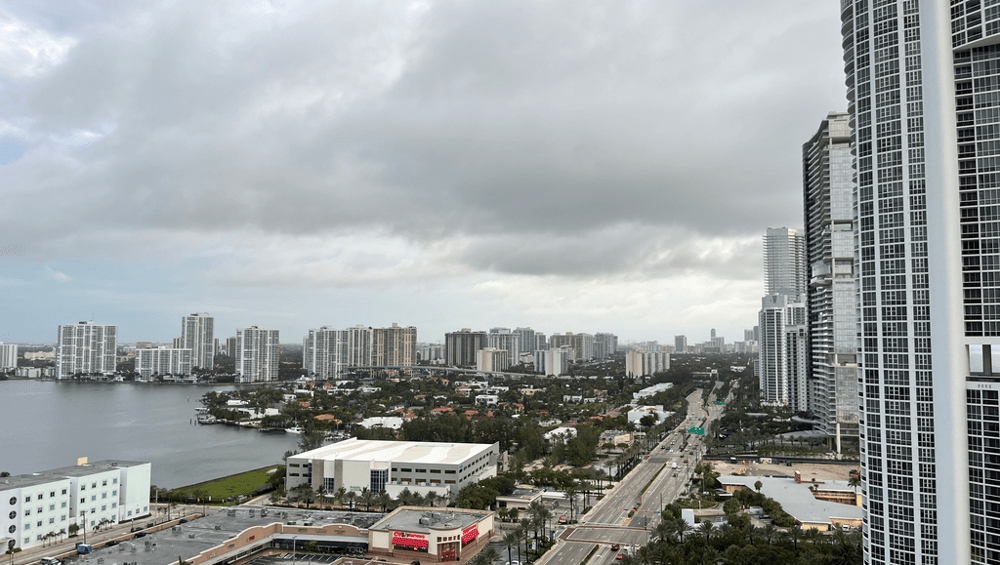
Sunny Isles is seeing a steady change: more older adults are exploring Florida’s medical marijuana (MMJ) program, and that shift is beginning to shape local wellness, services, and expectations.
The city has a large retiree population, with a median age in the high-40s and a significant portion of residents over 65. National and state data confirm a clear trend: older adults are increasingly turning to cannabis as an option for pain management, sleep issues, and overall quality-of-life concerns. Recent analyses show that U.S. adults over 65 reporting past-month cannabis use nearly doubled in just two years, highlighting growing interest among seniors.
For families in Sunny Isles, that means more conversations with physicians about when MMJ may be appropriate, what safe dosing looks like, and how cannabis might interact with existing medications. Research on older adults points to specific benefits—particularly for chronic pain and sleep support—but also cautions about age-related sensitivities. Seniors are advised to start low and go slow, with careful monitoring to reduce risks related to cognition, falls, or cardiovascular health. Clinicians emphasize the importance of balancing relief with safety, especially when multiple prescriptions are involved.
Florida’s framework offers seniors structure and safeguards. Qualified patients can obtain MMJ from licensed Medical Marijuana Treatment Centers (MMTCs), with delivery available—an important option for those with mobility challenges. The state also formalizes caregiver roles, including a free certification course to guide caregivers in managing patient needs, providing reassurance for families who assist older relatives.
For Sunny Isles, the community impact of rising senior MMJ use can be seen in several key ways:
- Expanded healthcare touchpoints – Primary-care doctors, geriatric specialists, and pain clinics are encountering more patient questions, leading to better education on product types, dosing, and timing to avoid confusion or impairment.
- Community education – Seniors increasingly need workshops and guidance on reading cannabis labels, understanding THC and CBD ratios, and safe storage around visiting grandchildren. Neutral, evidence-based resources offered at community centers or through condo associations can help reduce misinformation.
- Greater caregiver involvement – With the caregiver program in place, adult children and spouses are taking more active roles in monitoring and supporting safe cannabis use at home.
- Retail and delivery adjustments – MMTCs in senior-heavy markets emphasize low-dose products, easy-to-read packaging, and delivery options. Many also provide phone support for ordering, ensuring seniors can navigate menus without frustration.
- Public health considerations – Community wellness campaigns are beginning to include guidance on avoiding impaired driving, preventing overconsumption with edibles, and screening for potential cannabis use disorder in older adults.
For Sunny Isles, the bottom line is clear: the rise in senior MMJ use is not a passing fad but a durable wellness trend. With physician oversight, caregiver training, and community education, medical cannabis can improve comfort and function while minimizing risks. This aligns well with Sunny Isles’ healthcare-forward culture and its emphasis on supporting older adults in leading vibrant, balanced lives.